Featured
The Single Strategy To Use For Protecting Yourself from U...
Why Avoiding to Get The Importance of Family Support Prog...
Some Known Facts About Regional Resources That Offer Debt Relief.
Table of Contents
That liberates money in the short-term, and you may have three to 4 years to conserve towards the negotiation quantity. Extremely damaging to debt scores, mainly as a result of missed repayments and a negative "cleared up" mark that can remain on your debt record for as much as seven yearsMay be just choice if other alternatives (financial debt combination, balance transfer bank card, financial obligation mercy) aren't possibleTypically needs a charge to the 3rd party, which might counter some or every one of the savings from financial debt settlementMay help you avoid insolvency if you have actually missed out on several paymentsNot all financial institutions deal with financial obligation settlement companies Financial obligation mercy may be right for you if you are experiencing a financial challenge that makes it virtually difficult to pay down your financial debt balances.
:max_bytes(150000):strip_icc()/debtrestructuring.asp_final-a64fcb2c01704710bc55061e4304ce7d.png)
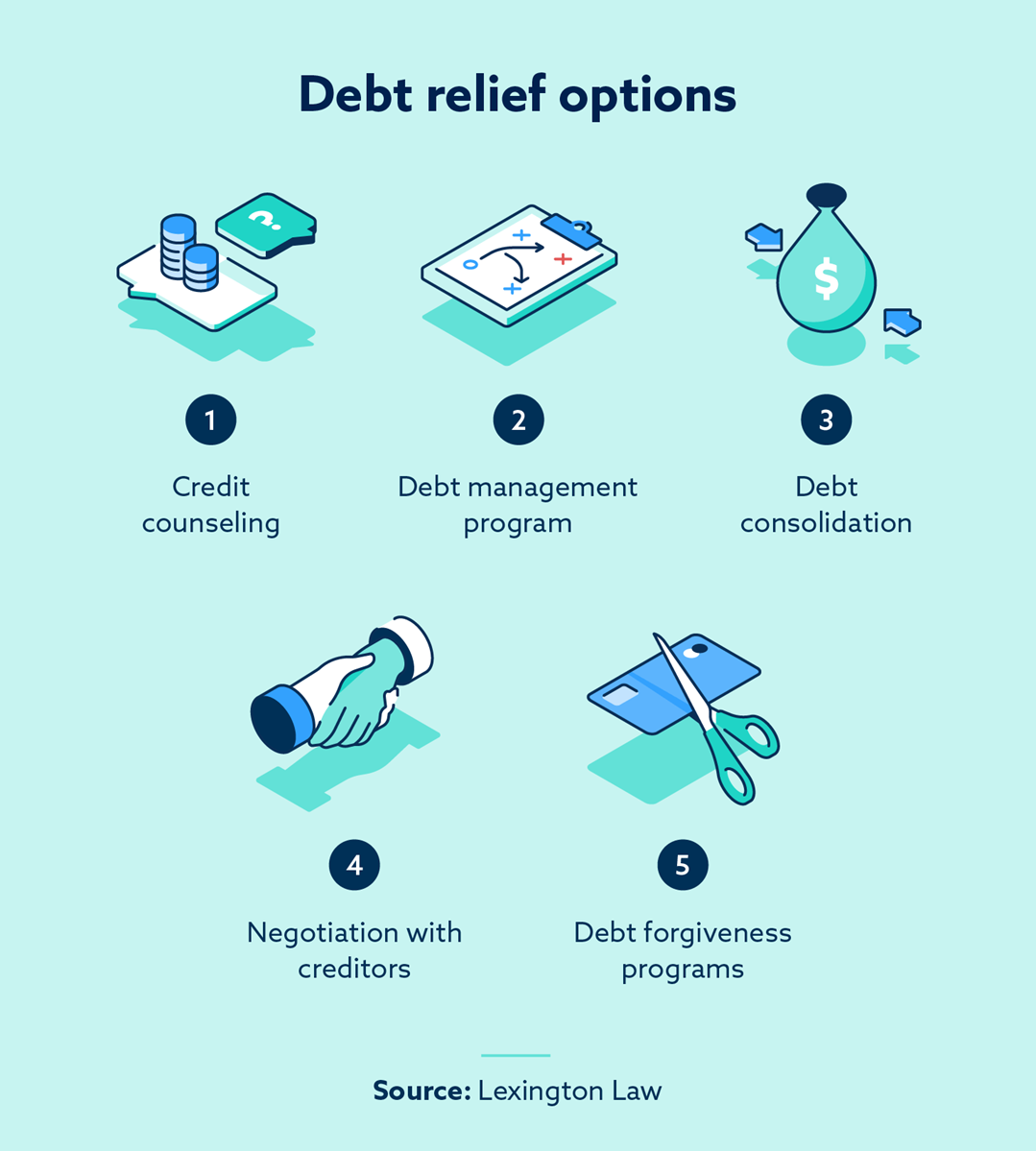
With a DMP, you make one regular monthly settlement to the credit therapy firm. Those funds are then dispersed to lenders of your unprotected financial debts, such as credit score cards and installment lendings. The firm collaborates with your lenders to decrease rate of interest or forgo costs, however some lenders might reject such giving ins.
A financial debt consolidation lending combines your eligible financial obligations into one brand-new loan. It can aid you pay for debt if you're able to safeguard a loan price that's less than the ordinary price of the accounts you're combining. You must refrain from racking up financial obligation on those newly gotten rid of accounts or your financial debt could grow even greater.
That provides you plenty of time to eliminate or significantly lower your equilibrium while making interest-free repayments.
Not known Facts About What When a Business Fails: Personal Debt Strategies for Former Small Business Owners Generally Cost
You might need it if your creditor or a collection agency ever tries to accumulate on the debt in the future. When a lender forgives $600 or more, they are called for to send you Type 1099-C.
Debt forgiveness or settlement often hurts your credit score. Anytime you settle a financial obligation for less than you owe, it might show up as "cleared up" on your debt report and impact your credit rating for 7 years from the date of settlement. Your credit can likewise drop significantly in the months resulting in the forgiveness if you fall back on payments.
The Main Principles Of Things to Avoid While Researching Forgiveness Services
This scenario usually results from underreporting revenue, not filing returns on time, or disparities located during an IRS audit. The consequences of collecting tax debt are significant and can include tax obligation liens, which provide the IRS a legal case to your building as security for the debt.
Higher rate of interest on available credit history. Incomes and Bank Accounts IRS can levy (confiscate) salaries and bank accounts to please the financial obligation. Decreased earnings and disruption of important financial procedures. Residential property Seizure In extreme cases, the internal revenue service can seize and sell residential or commercial property to cover the debt. Loss of important possessions and possible displacement.
Social Stigma Encountering legal activity from the IRS can carry social preconception. Employment Opportunities An inadequate credit scores score due to tax financial debt can restrict employment chances. Government Benefits Tax financial debt may impact qualification for federal government benefits, such as Social Safety And Security and Medicaid.
The Facts About Pricing Transparency That When a Business Fails: Personal Debt Strategies for Former Small Business Owners Experts Eliminate Uncovered
The OIC considers a number of variables, including the taxpayer's earnings, expenses, possession equity, and ability to pay. Successfully working out an OIC can be complex, requiring a thorough understanding of the IRS's guidelines and a solid disagreement for why your offer aligns with your capacity to pay. It is very important to note that not all applications are accepted, and the process requires in-depth monetary disclosure.
The IRS examines your total monetary situation, including your earnings, expenses, asset equity, and ability to pay. You should likewise be present with all filing and payment needs and not be in an open personal bankruptcy case. The internal revenue service additionally considers your compliance background, examining whether you have a record of timely filing and paying tax obligations in previous years.
An Unbiased View of Regulatory Changes That May Change When a Business Fails: Personal Debt Strategies for Former Small Business Owners Options
The application process for an Offer in Concession entails a number of thorough steps. You should finish and submit IRS Type 656, the Offer in Concession application, and Form 433-A (OIC), a collection info declaration for people. These kinds require thorough financial info, including details about your revenue, financial debts, costs, and possessions.
Back tax obligations, which are overdue taxes from previous years, can considerably increase your complete internal revenue service financial debt otherwise attended to without delay. This financial debt can accrue rate of interest and late settlement penalties, making the original quantity owed much bigger over time. Failure to pay back tax obligations can lead to the internal revenue service taking enforcement activities, such as releasing a tax obligation lien or levy against your residential or commercial property.
It is essential to deal with back tax obligations as soon as feasible, either by paying the sum total owed or by preparing a payment strategy with the internal revenue service. By taking aggressive actions, you can avoid the accumulation of additional passion and penalties, and avoid more hostile collection actions by the internal revenue service.
One common reason is the belief that the taxpayer can pay the complete quantity either as a round figure or via a settlement plan. The internal revenue service also thinks about the taxpayer's income, costs, property equity, and future earning capacity. If these aspects show that the taxpayer can manage to pay more than the offered quantity, the internal revenue service is most likely to decline the deal.
Some Of Building Your Path to Freedom
It is essential to offer accurate and total details in your application and to seek advice from with a tax obligation specialist to improve the possibilities of approval. Managing internal revenue service financial obligation can be complicated and overwhelming. Tax experts, such as Certified public accountants, tax obligation attorneys, or registered agents, can offer invaluable support. They have the competence to browse the details of tax legislation and internal revenue service procedures.

Table of Contents
Latest Posts

The Basic Principles Of How to Connect With APFSC Now

The Single Strategy To Use For Protecting Yourself from Unethical Schemes

Why Avoiding to Get The Importance of Family Support Programs in a Veteran’s Post-Service Journey Makes Things Harder Things To Know Before You Buy
More
Latest Posts
The Basic Principles Of How to Connect With APFSC Now
The Single Strategy To Use For Protecting Yourself from Unethical Schemes